
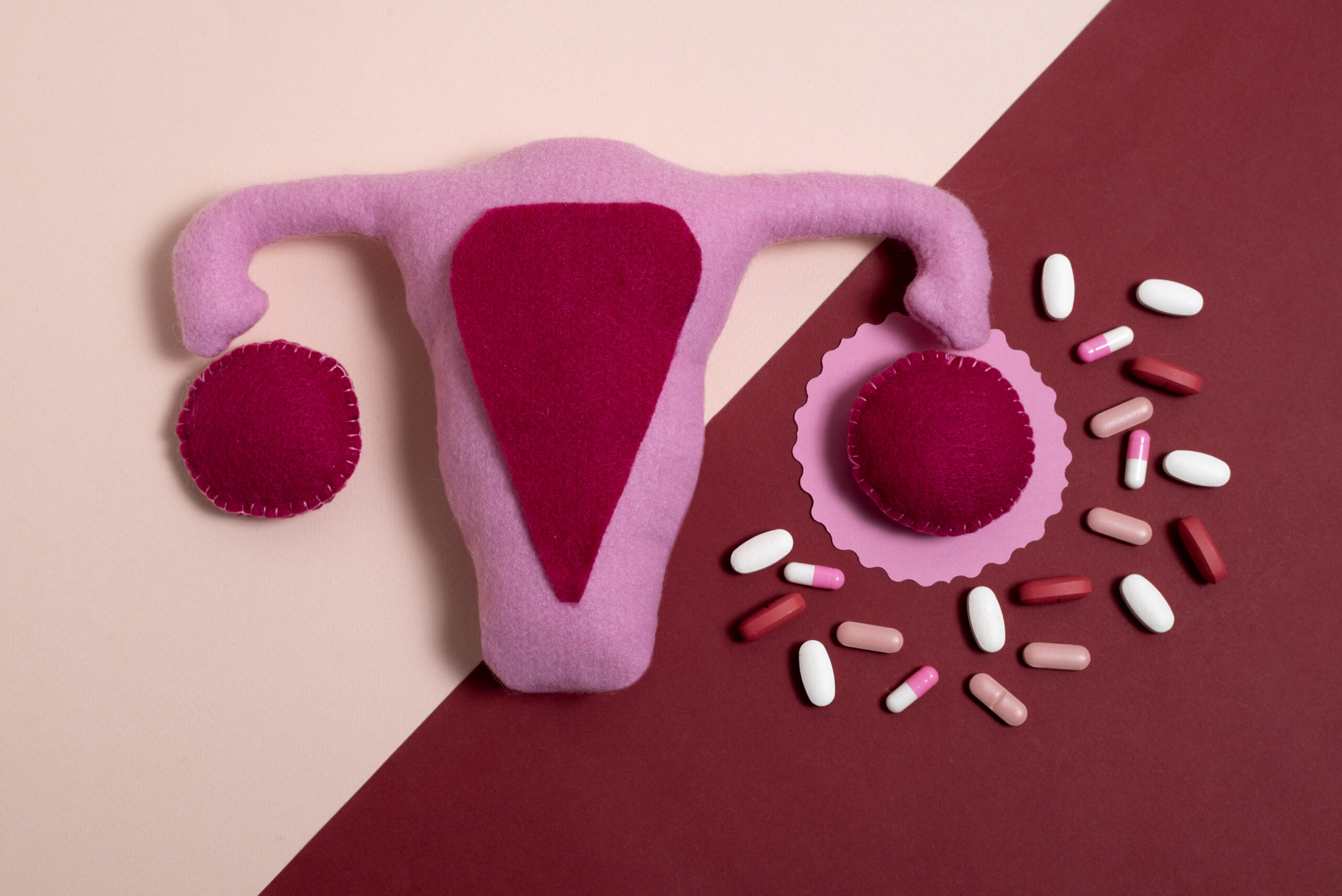
What Is Adenomyosis?
Adenomyosis is a condition where the tissue that lines the uterus grows into the muscle wall of the uterus. This extra tissue can cause the uterus to become larger and thicker. As a result, women may feel pain or have heavy periods. Although it is not cancer, adenomyosis can affect daily life. Many women with adenomyosis may not know they have it. However, some may notice symptoms that disrupt their routine.
How Does Adenomyosis Cause Uterine Wall Thickening?
Normally, the uterus has a thin lining and a smooth muscle wall. With adenomyosis, the lining tissue pushes into the muscle layer. Because of this, the muscle wall becomes thicker and sometimes uneven. Over time, this thickening can make the uterus feel heavy or tender. In addition, the uterus may look larger than usual on an ultrasound. Uterine wall thickening is a key sign of adenomyosis.
The Link Between Adenomyosis and Fertility
Many women wonder about adenomyosis and fertility. Research shows that adenomyosis can make it harder to get pregnant. For example, the thickened uterine wall may affect how an embryo attaches. Also, inflammation from adenomyosis can change the environment inside the uterus. Because of these changes, some women may have trouble with embryo implantation. However, not everyone with adenomyosis will face fertility problems.
How Uterine Wall Changes Affect the Embryo Environment
For a healthy pregnancy, the embryo needs a safe place to grow. When adenomyosis causes uterine wall thickening, the environment can change. For instance, the thick wall may not allow the embryo to attach well. In addition, inflammation can make the uterus less welcoming. Sometimes, blood flow to the lining may decrease. As a result, the embryo may not get enough support to grow. These changes can lower the chances of a successful pregnancy.
Symptoms and Diagnosis of Adenomyosis
Many women with adenomyosis notice certain symptoms. Common signs include:
- Heavy or long periods
- Severe cramps during periods
- Pain during sex
- Feeling of pressure or fullness in the lower belly
- Spotting between periods
However, some women have mild or no symptoms. Doctors use several methods to diagnose adenomyosis. For example, they may use ultrasound or MRI scans to look at the uterus. Sometimes, a pelvic exam can help. Blood tests may also rule out other causes. Early diagnosis can help manage symptoms and protect fertility.
Treatment Options for Adenomyosis, Especially for Those Trying to Conceive
Treatment depends on symptoms and future pregnancy plans. For women trying to conceive, doctors may suggest:
- Pain relief medicines, such as non-steroidal anti-inflammatory drugs (NSAIDs)
- Hormone therapy to control periods and reduce symptoms
- Minimally invasive surgery to remove affected tissue
- Assisted reproductive techniques, like IVF, if natural pregnancy is hard
In some cases, doctors may recommend waiting and watching. However, for severe symptoms, surgery may be needed. It is important to talk with a fertility specialist before starting any treatment.
Lifestyle Tips and Prevention Strategies
While there is no sure way to prevent adenomyosis, some lifestyle changes may help manage symptoms. For example:
- Maintain a healthy weight
- Exercise regularly to reduce stress and pain
- Eat a balanced diet rich in fruits and vegetables
- Track your periods and symptoms to spot changes early
- Seek medical advice if you notice heavy bleeding or pain
Although these steps may not cure adenomyosis, they can improve overall well-being. Early action can also help protect fertility.
Conclusion
Adenomyosis and fertility are closely linked. Uterine wall thickening can change the embryo implantation environment. However, with early diagnosis and the right treatment, many women can manage symptoms and improve their chances of pregnancy. Consult Sree Fertility Centre for personalized advice on adenomyosis and reproductive health.