
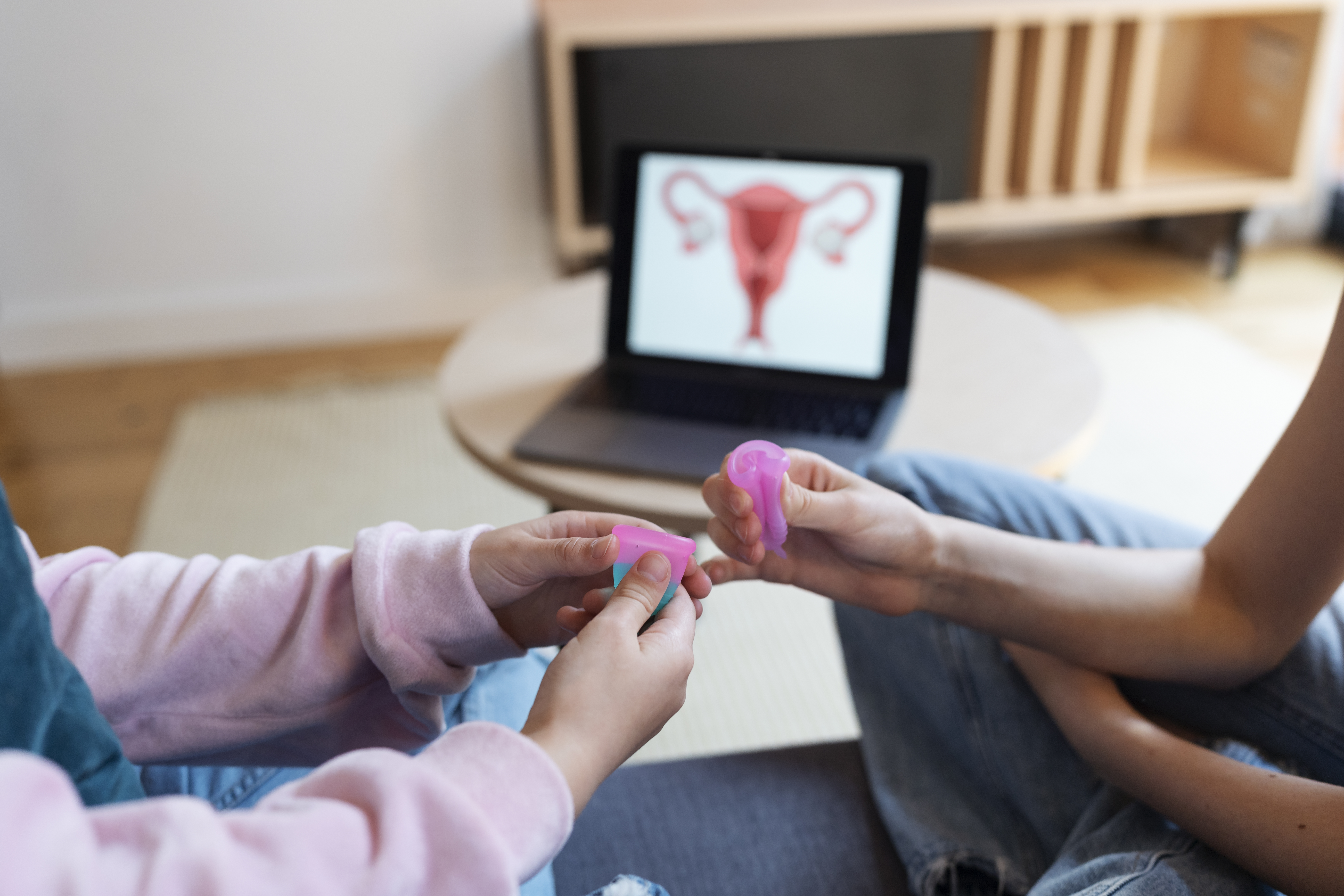
Endometrial receptivity is a key part of getting pregnant. It means the lining of the uterus is ready for an embryo to attach. This special time is called the “window of implantation.” During this window, the uterus is most welcoming to a fertilized egg. If the timing is right, pregnancy is more likely. Understanding endometrial receptivity can help couples improve their chances of a successful pregnancy.
What is Endometrial Receptivity?
Endometrial receptivity is when the lining of the uterus, called the endometrium, is ready for an embryo. For pregnancy to start, the embryo must attach to this lining. However, the uterus is not always ready. It becomes receptive only for a short period each month. This is why timing matters so much in fertility. Doctors often talk about endometrial receptivity when helping couples with fertility issues.
The “Window of Implantation”: Why Timing Matters
The “window of implantation” is a short time when the uterus can accept an embryo. Usually, this window lasts about 3 to 5 days. It often happens about 6 to 10 days after ovulation. During this time, the endometrium changes to help the embryo stick. If the embryo arrives too early or too late, it may not attach. Therefore, knowing this window helps improve the chances of pregnancy, especially during fertility treatments.
Factors Affecting Endometrial Receptivity
Many things can affect how ready the uterus is for an embryo. Some of these include:
- Hormones: Estrogen and progesterone help prepare the uterus. If these are not balanced, receptivity may be low.
- Age: As women get older, the endometrium may not respond as well.
- Health conditions: Problems like polyps, fibroids, or infections can affect the lining.
- Lifestyle: Smoking, stress, and poor diet can lower receptivity.
- Medications: Some medicines can change hormone levels and affect the uterus.
Because many factors play a role, it is important to look at the whole picture when planning for pregnancy.
How is Endometrial Receptivity Assessed?
Doctors use several ways to check if the uterus is ready for an embryo. For example, they may use:
- Ultrasound: This test checks the thickness and look of the endometrium.
- Blood tests: These measure hormone levels, such as estrogen and progesterone.
- Endometrial biopsy: A small sample of the lining is checked under a microscope.
- Special tests: Some clinics offer tests like the Endometrial Receptivity Analysis (ERA) to find the best time for embryo transfer.
With these tests, doctors can better plan fertility treatments and improve the chances of a successful pregnancy. According to the CDC, these methods are often used in fertility clinics to help couples.
Improving Endometrial Receptivity: Tips and Lifestyle Guidance
There are steps you can take to help your uterus become more receptive. For instance, you can:
- Eat a balanced diet rich in fruits, vegetables, and whole grains.
- Maintain a healthy weight, as being too thin or overweight can affect hormones.
- Exercise regularly, but avoid extreme workouts.
- Manage stress through relaxation, yoga, or meditation.
- Avoid smoking and limit alcohol.
- Follow your doctor’s advice about medications and supplements.
In addition, regular check-ups can help catch any health problems early.
Frequently Asked Questions about Endometrial Receptivity
- Can endometrial receptivity be improved? Yes, healthy habits and medical care can help.
- Is the window of implantation the same for everyone? No, it can vary from person to person.
- How do I know my window of implantation? Your doctor can help find the best time using tests and your cycle history.
- Does age affect endometrial receptivity? Yes, receptivity may decrease with age, but healthy habits can help.
- Should I see a doctor if I have trouble getting pregnant? Yes, a fertility specialist can guide you and suggest the best steps.
In summary, endometrial receptivity and the window of implantation are important for a successful pregnancy. If you have questions or concerns, consult at Sree Fertility Centre for personalized advice on endometrial receptivity and pregnancy planning.